- Established highway food plazas around Padgha and Asangaon offer operational 60 kW and 120 kW direct-current fast chargers.
- Climbing toward Igatpuri increases vehicle energy consumption from 140 watt-hours per kilometre to 195 watt-hours per kilometre.
- Driving back down to Thane adds 4% to 7% of usable charge to the battery via regenerative braking.
- Several electric vehicle charging dispensers on the Samruddhi Mahamarg are installed but await final power grid synchronization.
Drivers can rely on fast chargers between Thane and Igatpuri by planning top-ups near Shahapur. samruddhi mahamarg ev charging is an expanding infrastructure of wayside amenities commissioned in staggered phases. Several designated dispensers await final grid synchronization from state power distributors.
Driving an electric car from Thane to the Sahyadri hills has become a weekend ritual for many families, yet the question I hear most often over a cup of morning tea is remarkably practical. Drivers want to know whether they can rely on fast chargers along the Samruddhi Mahamarg, or whether they might find themselves stranded with an empty battery halfway up the ghats.
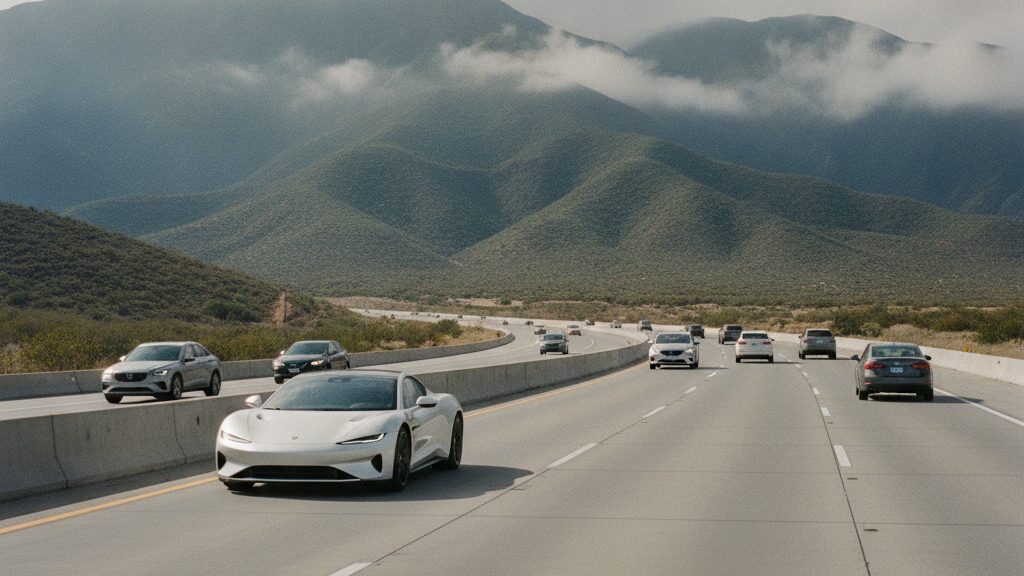
The short answer is reassuring, provided you understand where the hardware actually stands. While the expressway infrastructure continues to expand, relying entirely on newly opened highway wayside amenities can leave you waiting in line behind commercial fleet cabs. If you plan your top-up near Shahapur or carry enough battery buffer to climb the hills directly, the journey remains as smooth and quiet as the electric motor humming beneath your bonnet.
The charging map between Thane and the Sahyadri foothills
When you leave the flyovers of Majiwada in Thane, your car displays an optimistic driving range. City traffic consumes very little power because constant braking returns energy into the battery pack. Once you pass Bhiwandi and merge toward the open highway corridor, your vehicle begins drawing steady current at highway speeds of 80 to 100 km/h.
The first reliable cluster of public fast chargers sits around Padgha and Asangaon along the older highway corridor running parallel to the new expressway connectors. Here, established highway food plazas host operational 60 kW and 120 kW direct-current fast chargers from networks such as Tata Power and Jio-bp. Stopping for twenty minutes while your family steps out for hot chai and fresh sabudana vada usually adds 30% to 40% to your battery, which is plenty of cushion for the remaining ascent.
Further along, near the Bharvir interchange, newer charging points have appeared at major fuel plazas. However, public uptime on these newer dispensers varies depending on local grid stability. According to data published by the Bureau of Energy Efficiency in 2026, highway fast-charger availability in Western India averages 88%, which means roughly one out of ten chargers is temporarily offline for maintenance or payment gateway updates. Carrying two distinct network mobile applications on your phone avoids awkward moments at the plug.
The battery penalty of climbing into the Sahyadri hills
Many drivers forget that an electric motor works against gravity just like a petrol engine. The climb from the plains of Thane up toward Igatpuri takes you from near sea level to roughly 600 metres of elevation. That steady upward slope creates what engineers call an elevation tax on your battery reserve.
In our work at Shree Venkatesh Nagar, we regularly observe visiting homeowners arrive from Mumbai in popular electric crossovers. A vehicle that normally consumes 140 watt-hours per kilometre on flat Mumbai streets often spikes to 195 watt-hours per kilometre during the winding climb past the Kasara slopes. If your dashboard shows 90 kilometres of estimated range at the foot of the hill, you should count on having only 60 kilometres of true driving distance during that steep incline.
The reverse journey tells a happier story. When you drive back down to Thane after a quiet weekend, gravity becomes your companion. Regenerative braking captures the kinetic energy as you wind down the slopes, often adding 4% to 7% of usable charge back into your battery pack by the time you reach the bottom. You can explore how rail and road options compare for this commute in our analysis of rail and road travel from Kasara.
Wayside amenities and charging gaps on the new expressway
The Maharashtra State Road Development Corporation planned modern Wayside Amenities at regular 40–50 km intervals along the Samruddhi Mahamarg. While the fuel stations and food courts at several of these plazas are open, the accompanying electric vehicle plazas are being commissioned in staggered phases. That creates an operational gap that every road tripper must recognize.
Several designated parking bays marked for charging currently feature physical dispensers that await final grid synchronization from state power distributors. If you bypass an established food court in Shahapur expecting an empty 150 kW plug right on the expressway corridor, you may find the charger fenced off or running in restricted testing mode. The failure mode here is overconfidence in digital maps that show a green pin before the local transformer is energized.
For drivers seeking a quiet retreat away from city noise, the safest approach is simple: top up your car to at least 80% before crossing Padgha. That single charge will carry you comfortably to your destination in the mist-laden hills, eliminating the need to search for roadside cables in unfamiliar territory.
Planning your charging stops and backup cables
A little old-fashioned discipline makes highway travel effortless. In our family, we have always believed that preparation brings peace of mind, whether you are packing books for a train trip or checking tire pressure before a long drive. When taking an electric car into the hills, keep a heavy-duty 15-ampere portable charging cable tucked under your boot floor.
A standard three-pin commercial socket will draw roughly 3.3 kilowatts of alternating current. While that sounds modest compared to a roaring 60 kW highway plug, seven hours of overnight rest while you sleep will push 22 kilowatt-hours back into your vehicle. That amount is more than enough to cover a day of exploring nearby streams or heading toward regional viewpoints like waterfalls near Igatpuri.
Make sure you register your radio-frequency identification payment card with your primary charging network before leaving Thane. Mobile phone reception can dip momentarily in deep mountain passes, and an offline phone makes starting a session through an application unnecessarily tedious. A physical card starts the electron flow with a simple tap on the charger reader.
Why destination charging at your weekend home changes everything
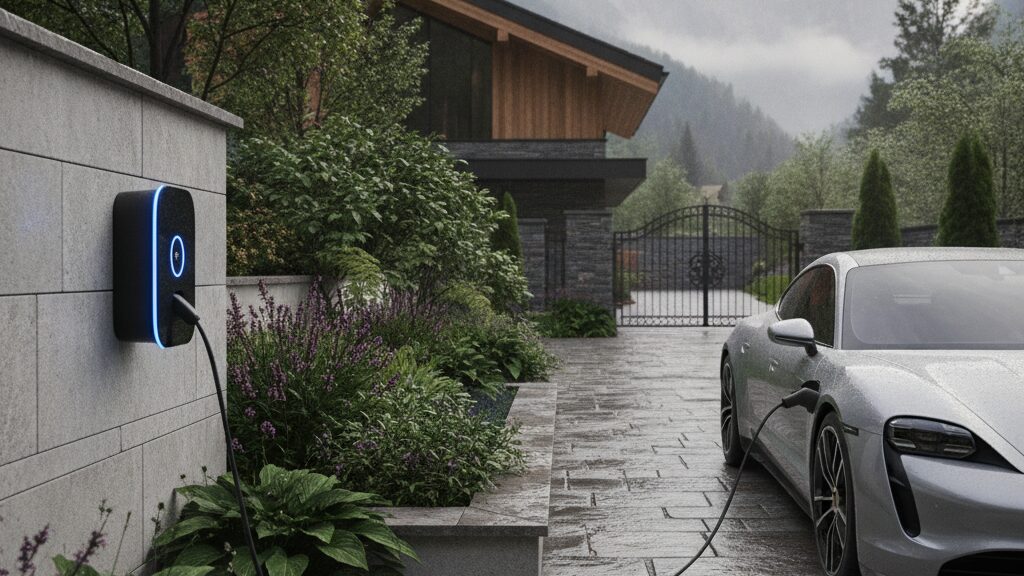
The ultimate luxury of owning an electric vehicle is never visiting a public station at all. When you own a dedicated property in the hills, your home acts as your personal fuel hub. You pull into your own private driveway, plug in a wall-mounted AC charger, and forget about battery levels until Monday morning.
At Shree Venkatesh Nagar, our bespoke villas and secure residential spaces are designed with individual parking bays suited for 7.2 kW and 11 kW home wallboxes. Built backed by 4 decades of trust, our gated community gives families the freedom to enjoy genuine nature trails and a true digital detox without watching the dashboard clock. For those deciding on plot purchases versus finished homes, our guide on SVN property options outlines the layout differences clearly.
When you step out onto your verandah on Sunday morning, the crisp mountain air smells of damp earth and morning dew, not petrol fumes. Your second home becomes a tranquil sanctuary where both your mind and your car leave fully recharged for the week ahead. You can learn more about our community design and land titles by reading about our NA plots in Igatpuri.
Frequently Asked Questions
Can an EV easily reach Igatpuri from Thane on a single charge?
Yes, most modern electric cars with a real-world range exceeding 200 kilometres can make the 110-kilometre journey without an intermediate stop. The steep climb up the Kasara ghats requires an additional 20% battery buffer over flat highway driving.
Are there operational fast chargers directly on the Samruddhi Mahamarg near Igatpuri?
Operational charging points exist at select major fuel hubs near the Bharvir interchange, but several planned expressway wayside amenities remain under phased rollout. Drivers should top up at established plazas near Shahapur or Padgha before joining the final expressway stretch.
How much range do you lose when climbing the Kasara Ghat in an electric vehicle?
Vehicles typically experience a 25% to 35% increase in energy consumption during the upward climb due to gravitational resistance. You regain roughly 5% of that power through regenerative braking on the descent back to Thane.
What charging apps should I download before leaving Mumbai or Thane?
You should install Tata Power EZ Charge, Jio-bp pulse, and Statiq on your mobile device before departing. Carrying an RFID charging card is also recommended because mobile connectivity can drop intermittently in ghat sections.
Do luxury residential communities in Igatpuri offer private vehicle charging?
Gated communities like Shree Venkatesh Nagar provide electrical provisions that allow villa owners to install dedicated 7.2 kW or 11 kW wallbox chargers. This allows homeowners to charge overnight using private domestic electricity connections.
Can I use a standard 15A home plug to charge my car during a weekend trip?
A standard 15-ampere domestic socket will charge an electric vehicle at approximately 3.3 kW, adding roughly 15 to 20 kilometres of range per hour. An overnight charge of eight hours provides ample range for local sightseeing.
Is EV charging more expensive at highway fast chargers compared to home charging?
Highway direct-current fast chargers typically cost ₹18 to ₹24 per kilowatt-hour plus taxes, whereas domestic home charging in Maharashtra costs between ₹7 and ₹12 per unit. Charging at your weekend home offers significant operational savings over public commercial points.
Does driving with the air conditioning on affect your battery range in the hills?
Running the vehicle cabin cooling system draws approximately 1 to 2 kilowatts of steady power regardless of vehicle speed. Because hill climbs occur at lower speeds, the air conditioner represents a slightly higher percentage of total energy consumption.
Schedule a visit to inspect your future hill retreat
Reserve your private weekend site consultation at Shree Venkatesh Nagar to explore custom villa plots with zero obligation and no consultation fees. Experience how our gated community in the Sahyadri hills combines natural serenity with modern electric mobility infrastructure.