The reality of climbing Maharashtra’s highest peak
Kalsubai is the highest point in Maharashtra, standing at 1,646 metres. For most trekkers, the difficulty is moderate. You do not need to be a professional athlete to reach the summit, but you must have a basic level of physical fitness and a steady mind. The climb is a test of endurance rather than technical skill, as much of the path is well-marked or supported by iron ladders.
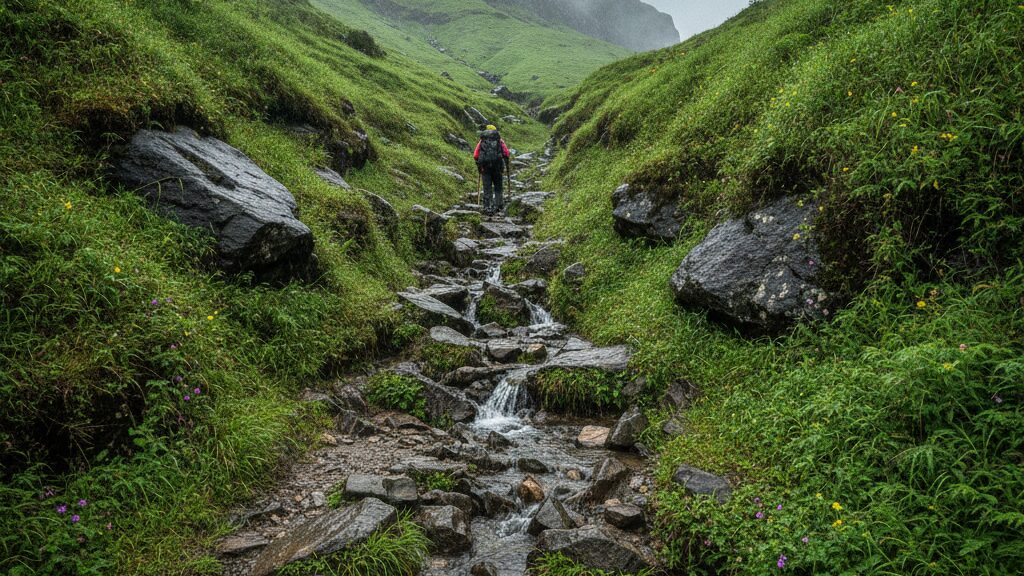
Preparation for Kalsubai involves three things: cardiovascular stamina, the right footwear, and a respect for the mountain’s weather. Most people spend four to six hours ascending and another three to four descending. If you are visiting from Mumbai or Nashik, the trek is often a highlight of a weekend spent in the Sahyadri hills.
The mental and physical climb
I have always believed that the mountains teach us more about ourselves than any book ever could. When you start the trek from Bari village, the air feels different. It is thick with anticipation. The initial stretch is relatively easy, winding through greenery and small settlements. But as you climb higher, the gradient steepens. This is where the mental battle begins.
In practice, the difficulty spikes during the final ascent. There are sections where iron ladders have been fixed to the rock face. For some, these ladders are a relief. For others, they are a source of anxiety. The key is to keep your breathing steady. When the lungs begin to burn, it is a signal to slow down, not to stop. The failure mode for most beginners is starting too fast and running out of steam halfway up.
According to regional trekking data from the Maharashtra Tourism Development Corporation (MTDC), nearly 60% of first-time climbers struggle with altitude-related fatigue in the last 300 metres. This is a natural response. Your body is adjusting to thinner air and the physical strain of a steep incline.
Preparing your body for the ascent
You cannot walk into a mountain trek without warning your body. If you spend your days in a high-rise office in Mumbai, your muscles are not prepared for the uneven terrain of the Sahyadri hills. Start your preparation at least three weeks before the trip.
Begin with brisk walking. Aim for five kilometres a day. If you have access to a staircase, use it. Climbing stairs is the closest simulation to the Kalsubai ascent. In our work at Shree Venkatesh Nagar, we often see residents who have invested in bespoke villas in Igatpuri taking up hiking as a lifestyle. Those who walk daily find the trek far more enjoyable than those who treat it as a one-off event.
Hydration is not just about drinking water during the trek. It is about how you hydrate in the days leading up to it. A dehydrated muscle cramps faster. Drink three litres of water daily for a week before your climb. This simple habit reduces the risk of muscle spasms on the steep rocky patches.
Essential gear for the Sahyadris
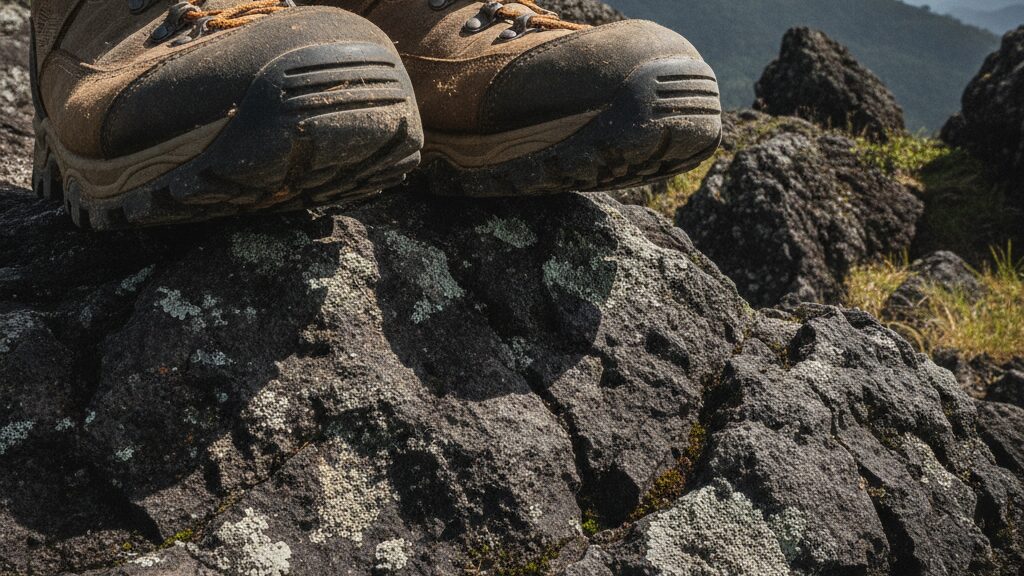
The wrong shoes can turn a beautiful experience into a painful memory. Avoid sneakers with flat soles. You need trekking shoes with deep lugs for grip. The rocks on Kalsubai can be slippery, especially during the monsoon. A pair of shoes with Vibram or similar high-grip soles is an investment in your safety.
Clothing should be breathable. Synthetic, moisture-wicking fabrics are better than cotton. Cotton absorbs sweat and becomes heavy, which slows you down. Carry a lightweight windcheater. Even in July, the wind at the summit can be biting. The temperature at the peak is usually 5–8 degrees lower than at the base village.
Pack your bag with a focus on weight. Every extra kilogram feels like five when you are 1,500 metres up. Carry a minimum of two litres of water and energy-dense snacks like dates, nuts, or homemade chikki. Avoid heavy meals right before the climb; a light breakfast of fruits and oats works best.
Navigating the trek in different seasons
The character of the mountain changes with the calendar. During the monsoon, the Sahyadri hills turn a vivid green. The clouds often drift across the path, creating a surreal feeling of walking through the sky. However, this is also when the trek is most challenging. The trails become muddy, and visibility can drop to a few metres.
For those planning a visit, we recommend reading our How to Visit Igatpuri: The Complete 2026 Travel and Lifestyle Guide to understand the broader geography of the region. If you prefer a calmer experience, the post-monsoon months of October and November offer clear skies and cooler temperatures.
In the summer, the challenge is heat. The sun can be relentless on the exposed rocky sections. Start your climb at 5:00 AM to reach the summit by 9:00 AM. This allows you to avoid the midday sun and gives you a chance to witness the sunrise over the valley, which is a sight that stays with you for a lifetime.
The luxury of recovery
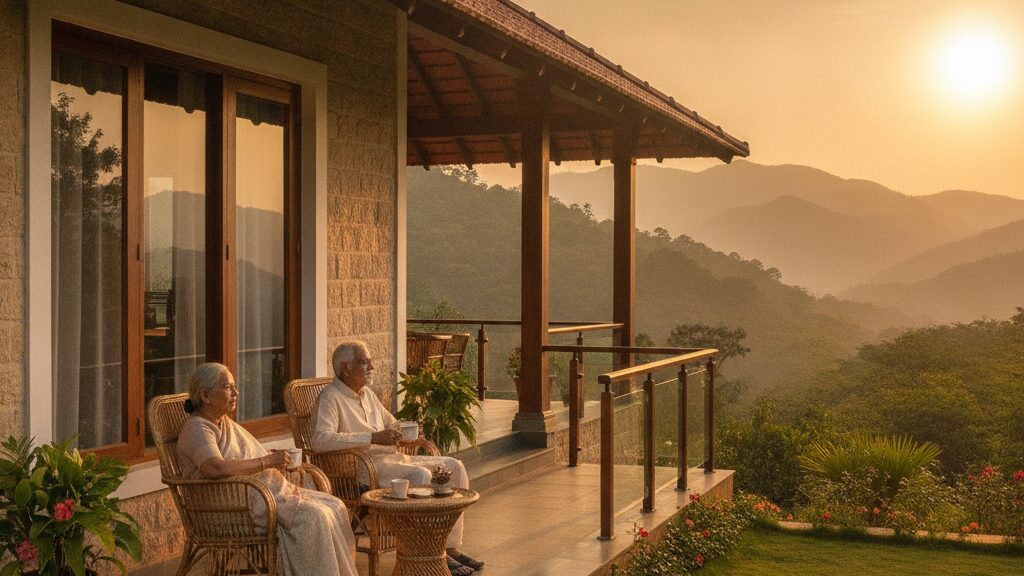
A trek is only half the experience. The other half is how you recover. After spending six hours on your feet, the body craves stillness. This is why many affluent families are now choosing to own a second home in the region. There is a profound difference between staying in a crowded hotel and returning to your own sanctuary.
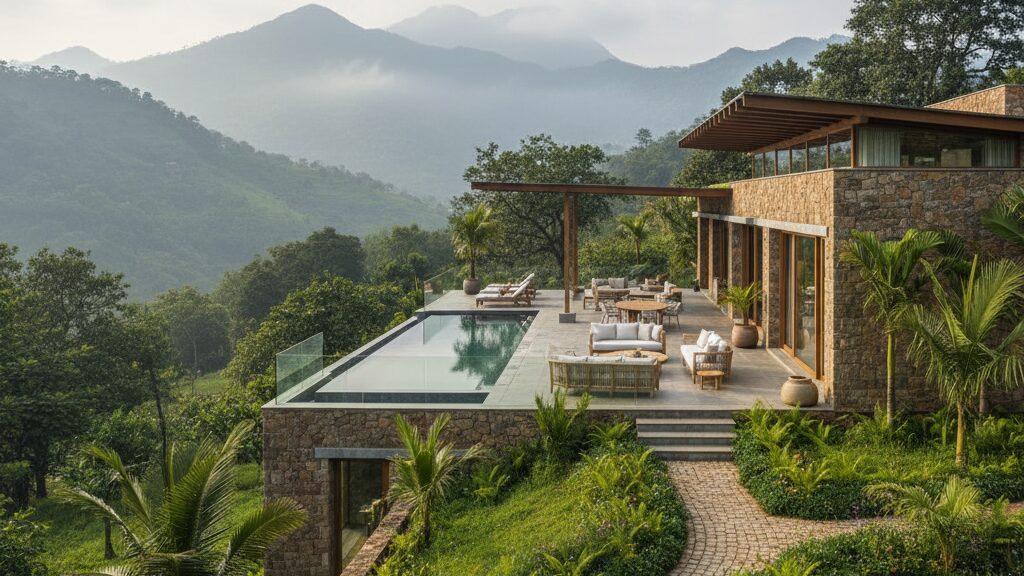
Imagine coming down from the peak, showering away the dust of the mountain, and relaxing on a private balcony overlooking the mist-covered valley. For those seeking this balance, the Rosewood Luxury Apartments in Igatpuri provide the perfect juxtaposition of adventure and comfort. It is about creating a legacy where your children can learn the grit of the climb and the peace of a home in nature.
Recovery involves stretching the calves and hamstrings immediately after the descent. A warm bath with Epsom salts helps in reducing inflammation. When you have a base in a gated community, you can turn these treks into a regular ritual of digital detox, away from the noise of the city.
Respecting the mountain and its people
The villagers of Bari are the unsung heroes of the Kalsubai trek. They provide guides, carry loads, and maintain the trails. I believe we owe them our utmost respect. Always pay a fair price for their services and avoid littering. The Sahyadri hills are a gift, and we must ensure they remain pristine for the next generation.
Carry a small bag for your trash. It is a simple act, but it defines your character as a traveller. We often see a trend where people leave plastic bottles behind. This is a tragedy. If you can carry a bottle up, you can carry it down. This mindset of sustainability is what we encourage for all who seek NA plots or homes in these hills.
Following the local guides is not just about finding the way; it is about safety. They know which patches of rock are unstable and when a sudden storm is brewing. Their knowledge is grounded in decades of living with the mountain. Trust them.
Planning your logistics from Igatpuri
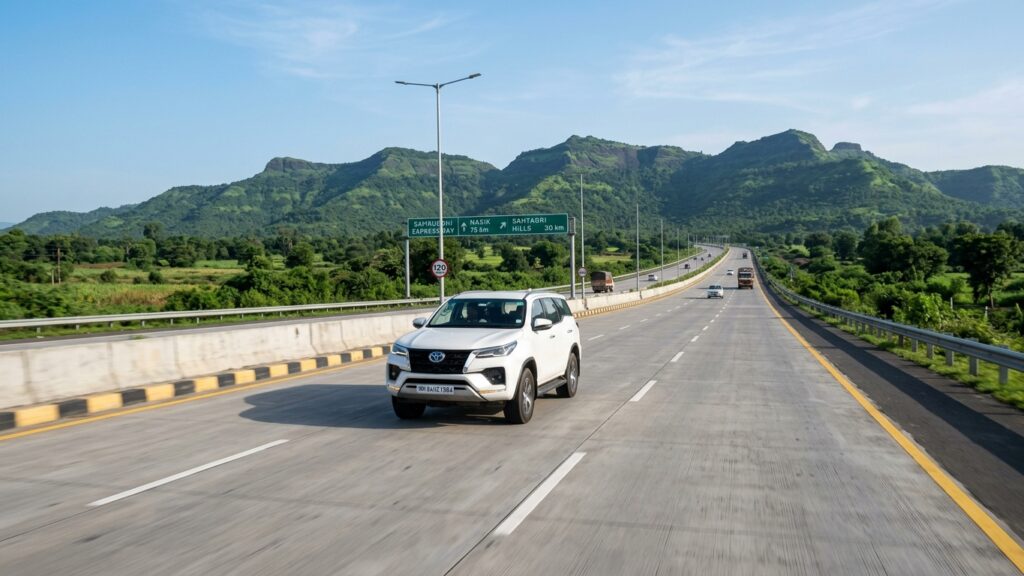
Igatpuri serves as an excellent base for the Kalsubai expedition. The drive to Bari village is scenic and allows you to acclimatise to the hill station air. If you are coordinating a family trip, consider the travel time carefully. Most visitors find that a two-night stay is ideal—one night for rest before the climb and one night for recovery after.
If you are comparing locations for a weekend retreat, you might find our analysis of Igatpuri vs Karjat useful. While both offer greenery, the proximity to peaks like Kalsubai gives Igatpuri a distinct edge for those who love the mountains.
Ensure your vehicle is in good condition. The roads leading to the base villages can be narrow and winding. A sturdy SUV is preferable, especially during the rains. Check your tyre pressure and brakes before leaving the city.
Frequently Asked Questions
Is Kalsubai trek safe for children?
Yes, it is safe for children above ten years who are physically active. They should be accompanied by an adult and a local guide at all times.
How much water should I carry?
Carry at least two to three litres of water per person. There are limited sources of potable water on the ascent.
Do I need a permit to climb Kalsubai?
No official government permit is required, but you may need to pay a small entry or parking fee at the base village.
What is the best time to start the trek?
Start between 5:00 AM and 6:00 AM. This ensures you reach the summit before the heat becomes intense.
Are there toilets available on the trail?
No, there are no toilets once you leave the base village. Plan your breaks accordingly and maintain hygiene.
Can beginners do this trek without training?
Most healthy adults can manage, but basic walking practice for two weeks is highly recommended to avoid cramps.
How long does the total trek take?
The round trip usually takes between eight to ten hours, depending on your pace and breaks.
Is there mobile network at the summit?
Most major networks work at the top, though the signal can be patchy during heavy rain or thick fog.
Experience the timeless peace of the Sahyadri hills for yourself. Secure your family legacy today by exploring our premium gated communities and NA plots in Igatpuri with a free site visit.