The bottom line on Igatpuri rental yields
A luxury weekend home in Igatpuri typically generates an annual gross rental income between 4% and 8% of the property value. In practice, a high-end bespoke villa in a gated community can command nightly rates from ₹15,000 to ₹45,000, depending on the amenities and the view of the Sahyadri hills.

You will not see 100% occupancy. Real-world data for 2026 shows that successful short-term rentals in this region average 30% to 45% occupancy. This means your home earns for roughly 110 to 160 nights a year. The rest of the time, it serves as your personal retreat or undergoes maintenance.
The actual math of short-term rentals
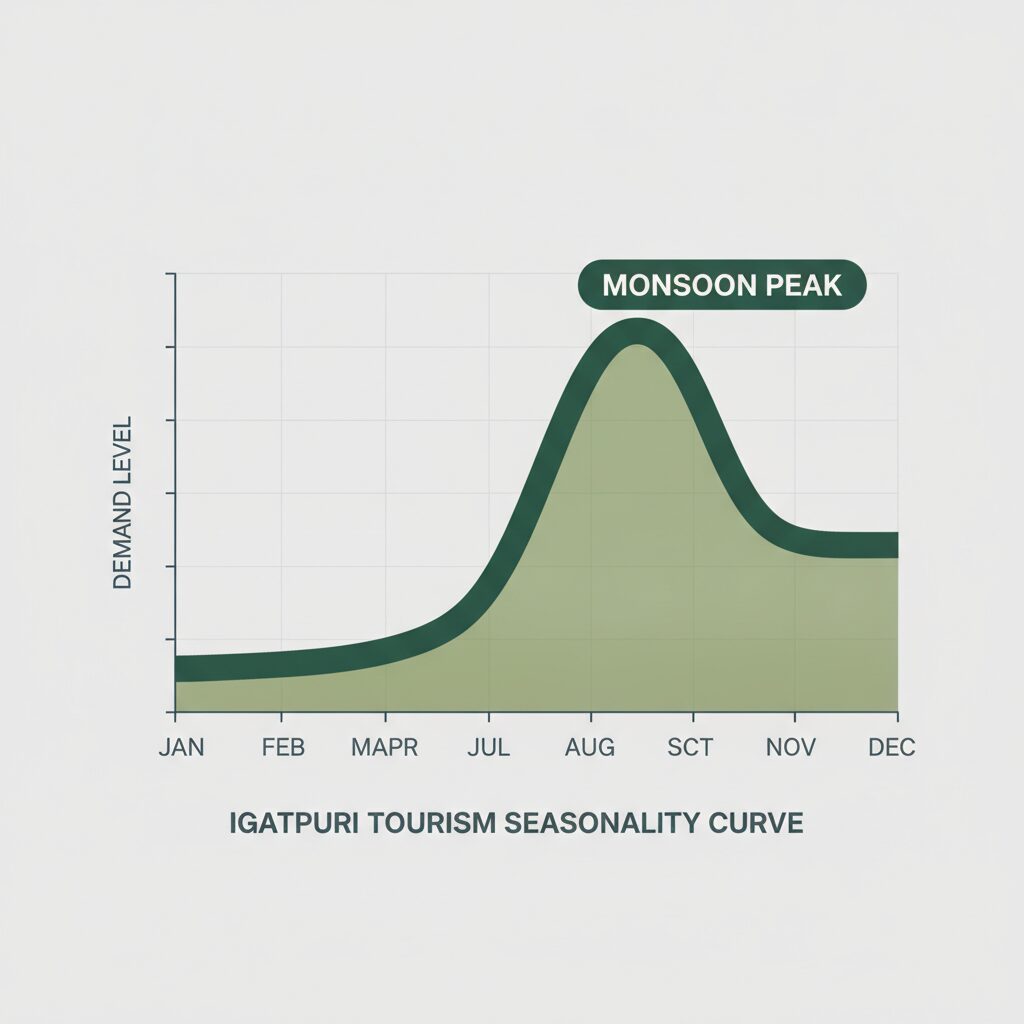
Stop looking at “best-case” scenarios. To understand your actual cash flow, you have to model your income across three distinct seasons. Igatpuri is a seasonal market. If you assume a flat rate year-round, your financial planning will fail.
Peak Season (June to September): This is the monsoon surge. Demand for a digital detox in the rain is massive. Nightly rates peak here. A 3-BHK luxury villa can easily fetch ₹25,000 to ₹40,000 per night. Occupancy often hits 70% to 80% during weekends and public holidays.
Shoulder Season (October to February): The winter crowd arrives for the pleasant weather and nature trails. Rates stabilize around ₹15,000 to ₹25,000. Occupancy hovers around 40% to 50%.
Low Season (March to May): The heat makes the hills less attractive for some, though the luxury segment remains stable. Rates may dip to ₹12,000 to ₹20,000. Occupancy can drop to 20% to 30%.
Sample annual income calculation for a luxury villa
Let’s run the numbers for a mid-to-high range villa in a secure gated community. We will assume a conservative average nightly rate of ₹20,000 and a blended annual occupancy of 35% (roughly 128 nights).
Gross Annual Income: ₹20,000 x 128 nights = ₹25,60,000.
But that is the top line. The bottom line is what matters. You have to subtract the costs of doing business.
Platform Fees: Airbnb and Booking.com take a cut. Expect to lose 3% to 15% depending on the host model you choose. For this example, let’s subtract ₹2,50,000.
Property Management: If you live in Mumbai, you cannot drive to Igatpuri every Friday to change bedsheets. Professional management fees usually range from 15% to 25% of gross revenue. That is another ₹5,00,000 to ₹6,00,000.
Maintenance and Utilities: Electricity, water, gardening, and pool cleaning for a luxury property are expensive. Budget ₹3,00,000 per year to keep the property in “legacy” condition.
Net Annual Income: Approximately ₹14,10,000.
Why luxury outperforms the mid-market
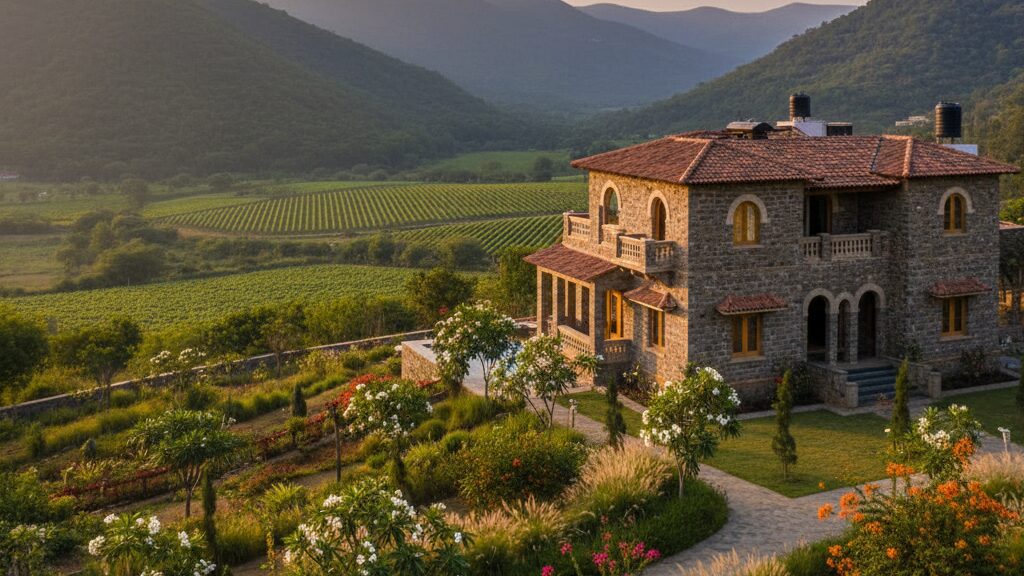
There is a dangerous middle ground in Igatpuri real estate. Small, basic cottages are competing on price. When you compete on price, you enter a race to the bottom. Affluent families from Mumbai are not looking for the cheapest stay. They are looking for exclusivity and security.
Investing in Rosewood Luxury Apartments or a bespoke villa changes the guest profile. High-net-worth guests are less price-sensitive and more likely to book longer stays for family retreats. This stability reduces your vacancy risk.
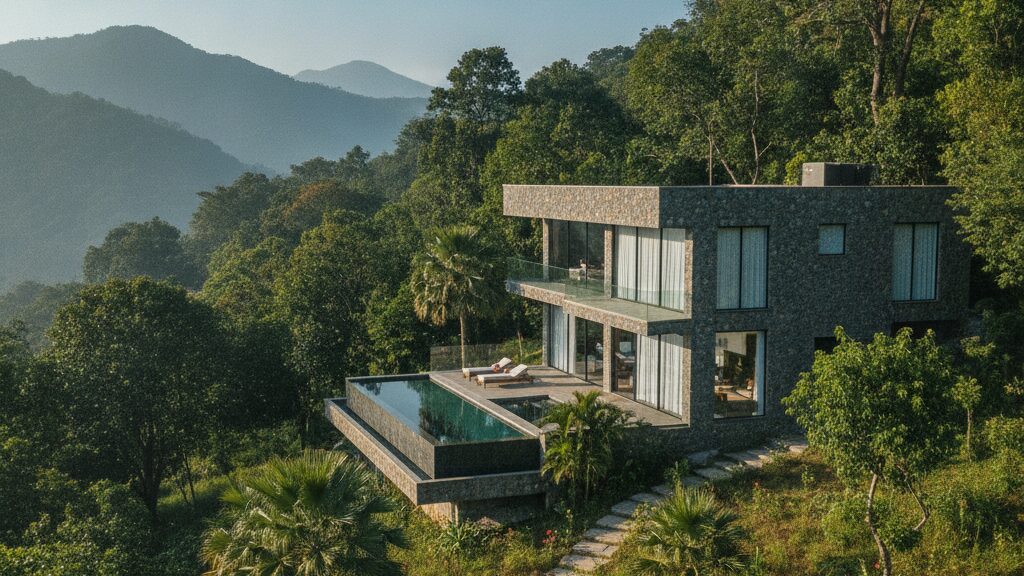
In our work at Shree Venkatesh Nagar, we have seen that properties with a specific “hook”—like a private infinity pool or a direct view of the Sahyadri peaks—can charge a 30% premium over similar homes in the same neighborhood.
The hidden costs of the rental model
Rental income is not passive. It is a hospitality business. The failure mode for most second-home owners is underestimating the wear and tear. Short-term guests are harder on a home than a long-term tenant.
You will spend more on painting, upholstery, and plumbing. If you are building from scratch, you must use commercial-grade materials. This is why we suggest reviewing how to build a luxury holiday home without maintenance stress before you break ground.
Another cost is the “opportunity cost” of your own use. If you rent your home out during the peak monsoon weekends, you cannot use it yourself. Many owners cap their rental calendar to keep 10 to 15 prime weekends for their own family.
Maximizing yield through experiential offerings
To push your occupancy from 30% to 45%, you cannot just rely on a nice bedroom. You need to sell an experience. The current market in 2026 favors curated stays over simple lodging.
Digital Detox Packages: Market your home as a place to disconnect. Provide lock-boxes for phones and curated reading lists. This appeals to the burnt-out professional in Mumbai.
Local Integration: Partner with guides for Kalsubai peak treks or local vineyards. Guests pay more for a home that provides a gateway to the region.
The Legacy Play: Treat the property as a long-term asset. Rental income should cover your carrying costs and a modest profit, but the real wealth is built through land appreciation. This is the fundamental difference between a rental business and a real estate investment. For those weighing options, comparing NA plots vs apartments in Igatpuri can reveal which asset class fits your specific ROI goals.
Comparison: Short-term rental vs Long-term lease
Some owners prefer the stability of a long-term lease to a corporate entity or a retreat center. This removes the management headache and the seasonality risk.
Short-term (AirBnB style): High risk, high reward. Potential for ₹15L+ net income, but requires active management and carries high vacancy risk in summer.
Long-term (Annual lease): Low risk, steady reward. You might earn ₹6L to ₹9L per year with almost zero management effort. You lose the ability to use the home yourself.
For most of our clients, the hybrid model works best. Rent the property for 6 months of the year and keep it for personal use during the other 6. This preserves the home’s value as a family legacy while offsetting the cost of ownership.
Frequently Asked Questions
Is Igatpuri a good place for rental income in 2026?
Yes, provided you target the luxury segment. High-end villas in gated communities continue to see strong demand from Mumbai’s affluent population.
What is the average occupancy rate for a weekend home?
Expect a blended annual occupancy of 30% to 45%. This fluctuates heavily between the monsoon peak and the summer low.
Do I need a property manager for a rental home?
Unless you live within an hour’s drive, yes. A manager handles guest check-ins, cleaning, and emergency repairs.
Which platforms work best for Igatpuri rentals?
Airbnb and Booking.com are the primary drivers for international and urban guests. Direct referrals through social media also drive high-quality bookings.
How do I handle the monsoon maintenance?
Invest in high-quality waterproofing and professional landscaping. Regular gutter cleaning is mandatory in the Sahyadri hills to prevent leaks.
Can I get a loan for a second home intended for rental?
Yes, most Indian banks provide loans for second homes, though the LTV (Loan to Value) ratio may be lower than for a primary residence.
Are gated communities better for rentals than standalone villas?
Yes, because security is a top priority for families. Gated communities also offer shared amenities that increase the property’s rental appeal.
What is the typical ROI on a luxury villa investment?
Gross rental yields are 4% to 8%, but total ROI including land appreciation often exceeds 12% to 15% annually.
Secure your legacy in the Sahyadri hills
Rental income is a powerful tool, but the real win is owning a piece of the hills that grows in value while providing a sanctuary for your family. Stop guessing your ROI and start building a tangible asset.
Schedule a private site visit today to see our available luxury plots and villas. No commitment required, just a conversation about your investment goals.